

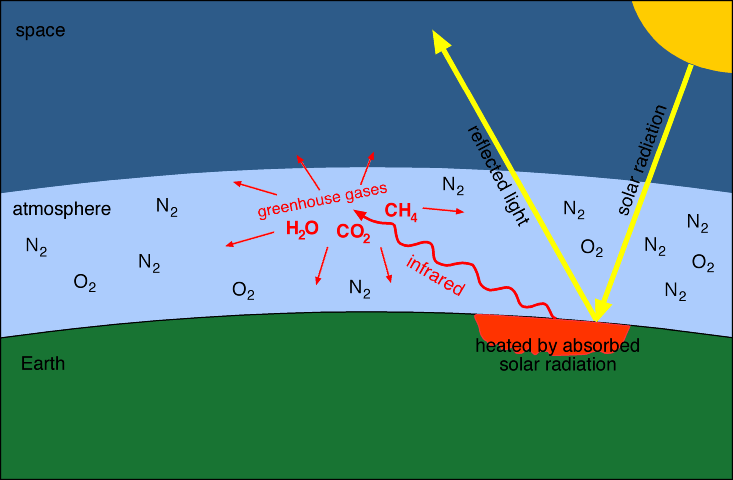
Methane (CH4) occurs naturally and produce by a variety of sources. Some of the sources of methane gas are as follows:

Methane is produced during the production of some industrial chemicals. Moreover, it is also used as fuel in various industrial processes.
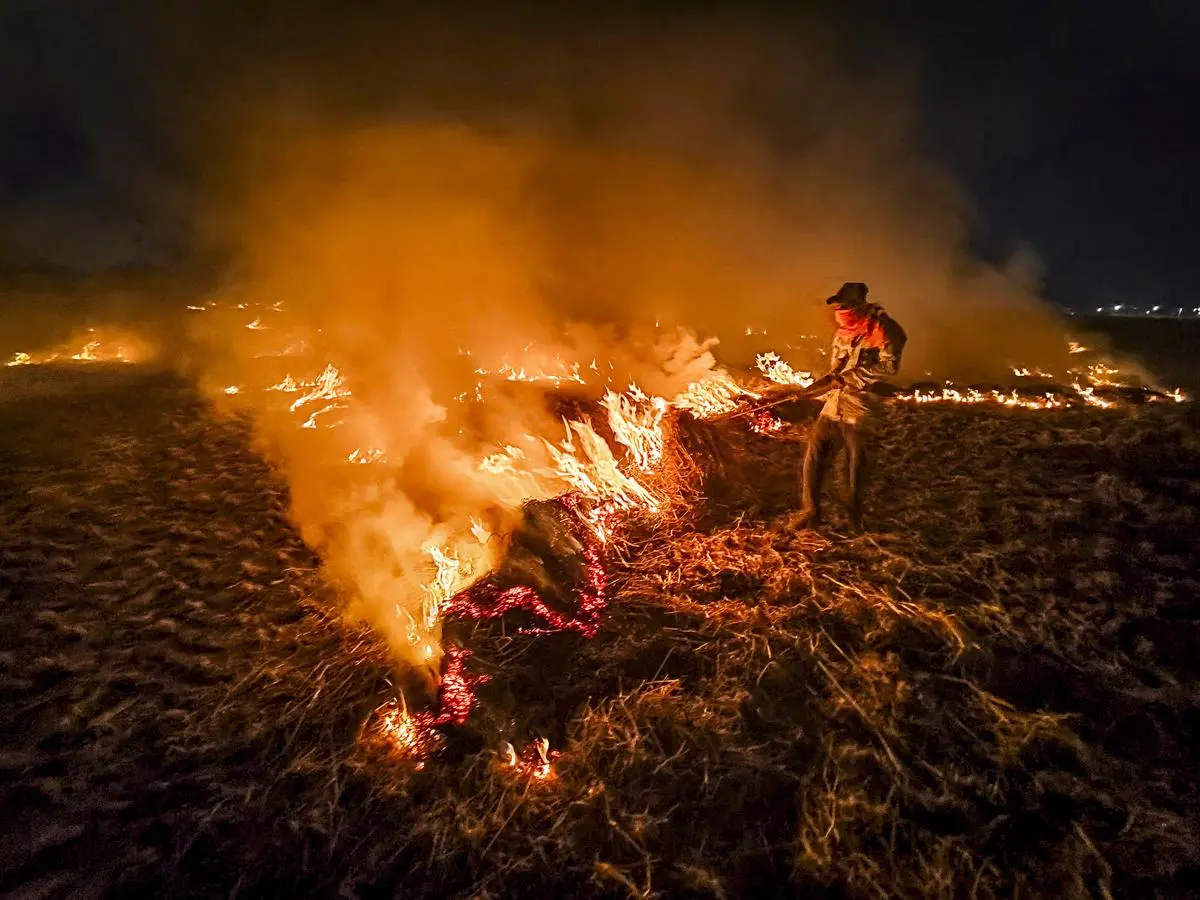
Methane produces when organic matter is burned. Such as during forest fires or the burning of crops.
Landfills are a major source of methane emissions. Because organic waste in the landfill breaks down and produces methane gas

Digestive processes of livestock produce CH4. Further manure decomposition results in methane gas in the soil.
Methane is a byproduct of coal mining. It is also produced during the extraction of oil and natural gas.
Methane is produced during the treatment of wastewater in sewage treatment plants.

Methane poisoning can cause a range of symptoms, but not all symptoms are present in every case. If you are someone who works with methane gas on a regular basis, look out for the following symptoms to know if you have methane poisoning or not. Here are some signs and symptoms that may indicate methane poisoning:
Methane can cause dizziness, which may be accompanied by a headache.
Methane exposure can cause nausea and vomiting, especially if the exposure was through inhalation.

Methane can displace oxygen in enclosed spaces, leading to a shortage of oxygen and difficulty breathing.

Methane can affect the central nervous system, leading to confusion and disorientation.

Methane exposure can cause weakness and fatigue, which may be accompanied by changes in heart rate and blood pressure.

Methane exposure can cause chest pain or tightness, especially if the exposure was through inhalation.
Methane is a highly flammable gas that can pose serious health hazards if it accumulates in enclosed spaces or if it is ingested or inhaled. Some of the health hazards associated with methane poisoning include:
Methane is an odorless and tasteless gas that can displace oxygen in enclosed spaces, leading to asphyxiation and death.
Methane is highly flammable and can easily ignite, presenting an explosive risk in enclosed spaces where concentrations of the gas are high.
Methane can cause headaches, dizziness, and nausea if inhaled in high concentrations. Long-term exposure to low levels of methane can also affect the central nervous system.
Inhaling high concentrations of methane can irritate the eyes, nose, and throat and cause respiratory symptoms such as coughing and wheezing.
It is important to properly ventilate enclosed spaces where methane may be present and to take appropriate safety measures to avoid exposure to the gas. If you suspect methane poisoning, it is important to seek medical attention immediately.

Increasing airflow in areas where methane is present can dilute the concentration and reduce the risk of poisoning.
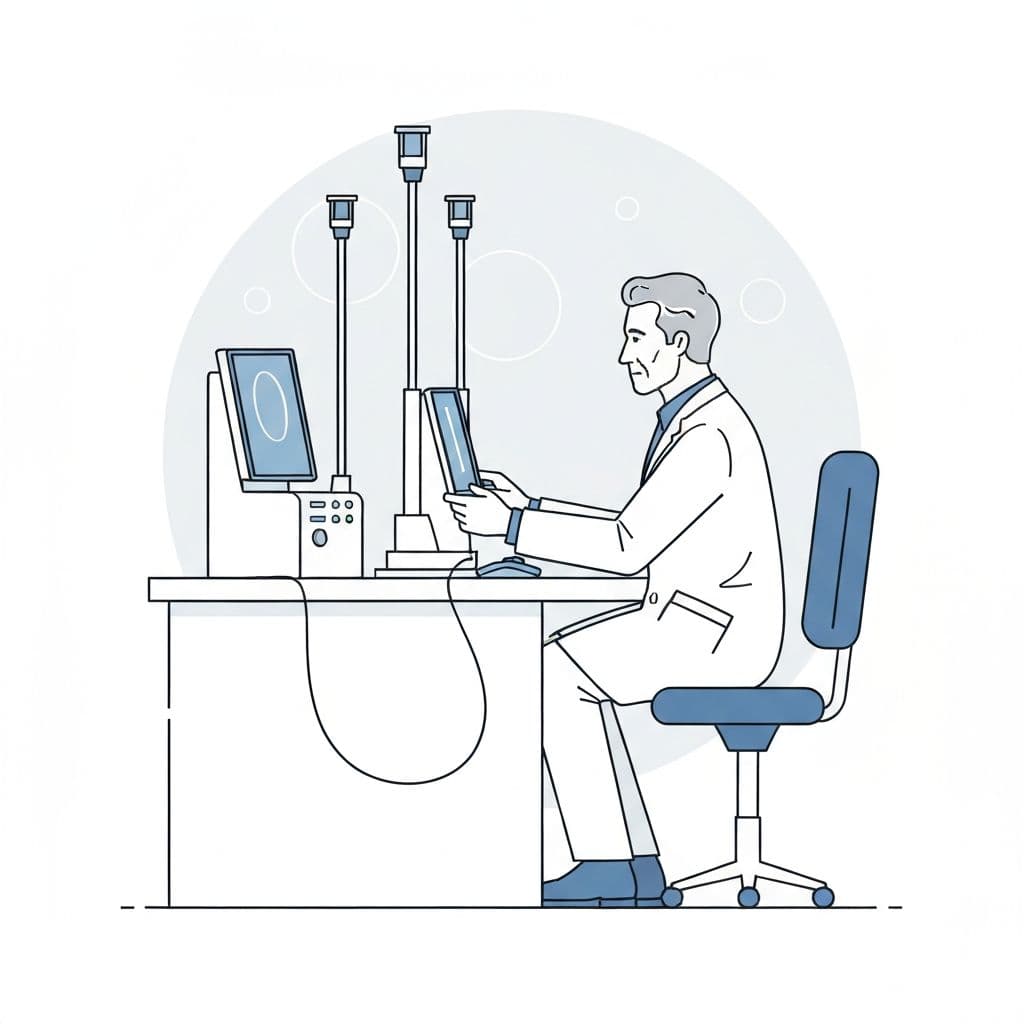
As by increasing airflow in areas where methane is present can dilute the concentration and reduce the risk of poisoning.
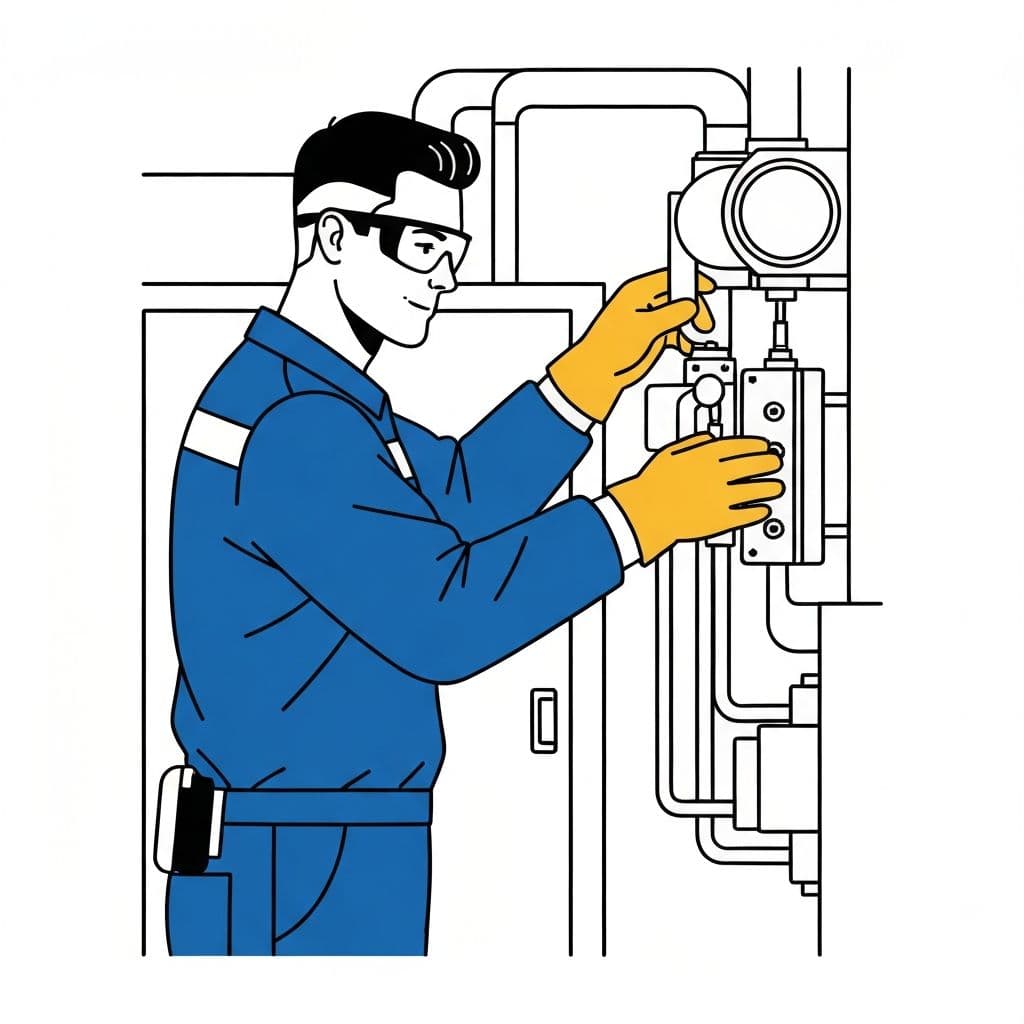
Regular maintenance of equipment and infrastructure can reduce the risk of leaks and emissions.

Providing training to workers on how to recognize and respond to methane exposure can help prevent poisonings.

Implementing and enforcing regulations on methane emissions can reduce the overall release of gas into the atmosphere.
This list is not exhaustive and the best course of action may depend on the specific circumstances and location of the potential exposure.